Showing posts with label psychological thriller. Show all posts

Tuesday, October 06, 2026

Virtual Book Tour & Giveaway: Dark Ugly Places by Ashley Mansour

Dark Ugly Places by Ashley Mansour Banner

DARK UGLY PLACES

by Ashley Mansour

September 15 - October 23, 2026 Virtual Book Tour

Synopsis:

Dark Ugly Places by Ashley Mansour

Some wounds don't heal. They fester. They whisper. They take over.


In Dark Ugly Places, trauma isn't something you survive — it's something that survives you.

Thirty-four-year-old Nicola Holiday loses everything in a hit-and-run: her husband dead, her body broken, her fourteen-year-old daughter Emmy forever changed. With no one held accountable, she spirals into grief, panic attacks, and financial ruin — awakening a hereditary darkness she's spent her life trying to outrun.

That darkness has a voice now. Her name is Martha, and she aches for revenge.

As Nicola's grip on reality loosens, Martha slips into another life — one of wealth, glamour, and moral rot. When she crosses paths with the wife of a famous actor, Nicola's suspicions ignite.

Pulled between vengeance and annihilation, Nicola and Martha collide with a woman whose secrets may be the key to everything — or the thing that destroys them both.

Dark, provocative, and deeply unsettling — a haunting psychological portrait of female rage, obsession, and the terrifying lengths the mind will go to survive unbearable pain.

Because sometimes the most dangerous place isn't the past. It's inside your own head.

Praise for Dark Ugly Places:

"A suspenseful and relentless tale of troubled Californians."
~ KIRKUS REVIEWS, OUR VERDICT: GET IT

"With fast-paced thrills and gripping psychological drama, Ashley Mansour’s Dark Ugly Places serves up vengeance for morally complex characters."
~ INDIEREADER

"A tense, viciously readable psychological thriller about the violence that lurks beneath polished surfaces."
~ BOOKLIFE REVIEWS

Dark Ugly Places Trailer:


Book Details:

Genre: Psychological Thriller / Domestic Suspense
Published by: Monikher Press
Publication Date: September 15, 2026
Number of Pages: 384 pbk
ISBN: 9798994814918 pbk
Book Links: Amazon | Kindle | Barnes & Noble | Apple Books | Google Play Books | Kobo | BookShop.org | Books-A-Million | Goodreads | BookBub | Official Book Page

Read an excerpt:

Prologue

No one likes to be kept in the dark.

In the dark, everything is murky, even the Los Angeles sky.

But the day of Nicola’s accident, I had a pretty clear view of things. It tends to be that way—clear—when Nicola isn’t.

Nicola, Ben, and their daughter, Emmy, were walking holding hands, something the three of them hadn’t done since Emmy was a little kid. I felt the itch in Nicola’s palm, like she didn’t want to hold hands. But Emmy insisted. She was between them, arms outstretched, making that little humming sound she sometimes made when she was nervous or lost in thought. Ben walked on slightly ahead, his head down, eyes focused on the phone in his hand. I could almost hear his teeth grinding.

Up ahead, the road was clear. The sun covered everything in butter-yellow light. Crows perched in the bare-barked trees and made long, scratchy cries like a group of smokers laughing. They rustled leaves and crossed the pavement before them. But the trees were still, like the air had been sucked out of the city. Up ahead, the road was clear.

The three of them approached the corner, Emmy and Nicola chatting aimlessly. Ben narrowed his eyes and squinted at the screen as if the sky was too bright. He stepped out into the road first. Emmy, next. She skipped slightly—braids flying—and pulled her mom’s arm.

Nicola looked up and saw one of the crows overhead, its beak open, making a dreadful sound. When she looked back at the road, her gut pinged with a horrible dread she couldn’t place.

Then she—we—saw it.

From the middle distance, something large and white hurtled into view, its body glinting in the sun. Emmy screamed. Nicola tried to pull her back, but one by one, her fingers slipped out of her grasp.

It was too late.

Nicola’s body collided with the big, white thing, and in the next moment, she was airborne, tumbling through the air as if she had been taken by a tornado. Her thoughts spiraled with her, spinning out of control.

I’m going to die.

I’m going to live.

Don’t let me die.

I’m going to die.

She kept spiraling, around and around, until I stopped her with a simple suggestion: Breathe, Nicola. Breathe. We have this power, those of us who live in the darkness.

The asphalt grated her spine. It must have hurt, but Nicola did not cry. Perhaps because the air was too full of Emmy’s screams.

She rolled to her left, her left arm pinned against her chest like a piece of limp fabric. Her left leg lay stretched out before her perfectly straight, but dead. Cold. Frozen in place. She rolled to her side and saw Emmy, blood coating half of her face as though she were wearing a mask. Five feet away, Ben lay in the road unmoving, his body contorted, his face turned away.

Overhead, the stretch of blue sky angled down Beverly Boulevard and went on forever. Cars passed, some honking, others slowing to stop and help or to get a better look. Nicola grunted and heaved herself along the ground, her jaw gritting with pain. She reached for Emmy, reached for Ben.

The white body of the car stirred. A door opened. A black polished shoe emerged onto the asphalt as the driver leaned out, then disappeared again as the door shut. I heard the engine as the car started and rolled backwards, slow at first, then picking up speed until it was gone.

Chapter One

Nicola

Snap. Prick. Burn.

The pinch of electricity in my dead leg wakes me from the dream of the accident, Emmy’s scream still ringing in my ears. Perhaps I’ll always hear it now, I think as I roll to my left side—the dead side, useless as a doornail—and slap feeling into my thigh, but there’s nothing. If you took a needle and jabbed it in, I would probably twist it a few inches deeper to see if I could feel it tickle.

A groan escapes me as I heave myself from the bed and stare at the nightstand cluttered with six months’ worth of post-accident prescription bottles. I stand with prickling tendons, the burn of an aching, underused muscle, my whole left side from my shoulder to my toes as limp as if I have novocain in my limbs.

I snatch a bottle from the dresser—the usual cocktail to start the day—painkillers, anti-anxiety medication that does next to nothing, and Topamax. Sweet, beautiful, woefully expensive Topamax—the anti-seizure medication that happens to work for migraines too, even if doctors don’t quite understand why. My mind races as I swallow the cocktail, thinking back to the first day I took it and couldn’t recall how to make oatmeal—a stunner of a brain fart. I stood there at the stove, paralyzed, unable to count to three, like an Alzheimer’s patient grappling for a memory. Everything was blank, my brain ticking silently away but coming upon blank numbers, blank time.

And then there is Imitrex, the migraine abortive—easy, cheap, always available. My reliable old friend. I take her, and like magic, my migraine slowly fades to the background.

And the foreground? That’s where Anger resides. Anger is my constant companion, a vampirish love connection I cannot seem to part with. It’s with me even as I make the bed and get dressed, my feet stumbling along the floor, left foot dragging from the nerve damage. My hands fumble in the dark for clothes in the pit of my closet shelf, and I pull out clothes for my shift at the Whitmore—yoga pants that are designed to look like trousers, a black tee shirt, and a cardigan with a curious dark stain on the sleeve, so I tuck it under and hope no one will notice, especially Emmy.

Emmy will be grossed out by it. She’ll wear an entire perfectly clean outfit like she does every day. We’ll fight about it. I’ll tell her, “Just wear stuff twice! It’s not so bad!” And she’ll say, “Mom, do you know how disgusting you sound?” And for a second, I’ll agree with her in my head that it is disgusting. The whole thing is disgusting, but what it comes down to is this: Our home isn’t ours anymore. Neither are our washer and dryer. Our apartment building has precisely one washer and dryer that cost $2.00 a load, and I’ll be damned if I’m going to do laundry every week with my shift schedule. Truth be told, I’m in no shape to be hauling eight million loads of laundry around until kingdom come, even if I wanted to.

Down the hall, limping, limping, I bang on Emmy’s door, her laptop squawking away with the sound of a teenage girl with a British accent talking about some celebrity’s latest plastic surgery.

“Get dressed, Em!”

She’s into something on YouTube called CelebrityStalkShow, run by a Hollywood-obsessed kid who seems to beat all the paparazzi to the punch. She yells something at me through the door, my signal to disappear from her area, and I depart down the flight of stairs at the speed of a centenarian.

At the landing, I sense something wet on my bad foot and look down at it in the center of Scotch’s cold pee puddle. The foul smell hits me, and I curse.

Not “fuck.” Not “shit.” The bad one. The one my mother would hate to hear me say. Rhymes with hunt.

“Classy.”

I look up. Emmy is behind me on the landing. Isn’t it funny how teenagers have this tremendous gift of sneaking up on you precisely at your worst possible moment?

“Scotch peed,” I say lamely.

“I can see that.”

“Let him out, Em, will you?” I ask, my voice tired and insistent.

“I think he’s already relieved himself right here. In our kitchen. Where we eat.”

I release a long, exasperated sigh, and Emmy pushes down the stairs past me, her hair matted in place, showing the pink crest of her scar. I try not to stare and pinch the spot on my hand that Dr. Constance said would be calming in moments like these. But it’s 7:32 a.m., and I don’t feel calm. I feel angry. And tired. And like I want to be teleported out of my own life for even a brief minute.

I give Emmy the look, the one my mother gave me and that her mother probably gave her. The one that lets her see a little into the quiet, grieving parts of me. Lately, I’ve been peeling back the layers often and letting her see more than usual. Maybe too much.

Emmy opens the back door to the shared courtyard and takes Scotch outside. I mop up his mess, then peel the pee-soaked black sock off my bad foot and dump it in the trash. One stair at a time, I haul myself back up to wash off my foot and leg in our tub—the one crusted with brown rings and white soap stains still because I don’t have the strength to scrub it, despite what the physical therapist tells me.

I hobble back downstairs. Emmy is still with Scotch outside, wandering around with his plastic bag, trying to figure out what to do with it. His little white body shakes and shivers as he follows Emmy and sniffs at the ground. I never wanted a dog, or a Westie for that matter. Scotch—including the name—was Ben’s idea.

Ben. Our good Ben. Dead Ben …

For a moment, I think that if I can just close my eyes, more details will emerge.

The car—so brilliantly white it hurt to look at it.

Those shoes. Black and heavy.

The scent of freshly applied cologne.

A single tattoo around the man’s middle finger, like a wedding band.

He was that close, and yet, for some reason inexplicable to me, I cannot remember his face.

My ears ring for a moment before I snap out of it. I go to the window over the kitchen sink and silently mouth, “Garbage can. Don’t bring it inside,” and then put breakfast out on the counter. Cereal and the last of the milk, but not the organic kind like we used to get. I place Emmy’s pills beside her bowl on a paper towel. There are things we still haven’t found a way to talk about.

When I look up, Emmy has pulled open the sliding glass door, no bag of shit in her hands.

“Relax, I threw it away.”

“A+,” I say sarcastically and instantly regret it. Why can’t I just say thank you?

“You’re welcome.”

She washes her hands, then hops silently up onto the breakfast stool and turns to gaze outside at the shared courtyard of our apartment complex. Her hair is still growing back over her scar, but it’s patchy, uneven, and it looks awful. I reach for her arm, but she flinches. She turns. Her eyes are cold and blank.

“Can I stay home today? I don’t feel great.”

“Em. It’s your first day.”

“So?”

“So you know this isn’t a good start. You have to go. It will be fine …”

She glares at me. “I really don’t feel like I can face it.”

I take her in, a million micro-signals at once. Her hunched shoulders, the marks on the back of her hand—ballpoint pen, drawn by her, but who could guess? The friendship bracelets that were on her wrist from the summer before last, faded and fraying, now bombarded by dark leather bands and multiple hair ties. Her nails bitten down to short nubs. Her head, shaved at the side where her scar is, parted unintentionally along where her braid used to be. I feel a jolt of grief in my core before the usual wave of rage rises up inside me, a hot, ruthless tide. I force it down again.

“You know, Em, it’s okay to feel the way you do. You’ve been through a lot. We’ve been through a lot.”

I try for genuine emotion without anger. It’s so much easier to be angry. Anger is my default. Anger is a nice, easy substitute. Anger gets the job done.

Emmy turns, her face bright, like she’s realized something. “It’s okay. You’re right. I’ll go.”

A forced smile spreads across her face. She ducks her head low and finishes her cereal with three whopping bites. Her scar seems to wriggle while she chews.

“I’ll go,” she repeats quietly.

“Honey,” I start. I pause, searching for the words. “It’s okay to hate it. I hate it, too.”

She smiles that same weak smile, like there’s something I’m missing, something I just don’t get. Outside, a siren blares from the main road, and Emmy jumps. I try to make it seem like I don’t notice.

Emmy jumps in her sleep now. Her body jolts like she’s being electrocuted. It’s like when you’re falling asleep, and you dream you’re actually falling, and your body twitches. That’s what Emmy does, except she does it over and over again. I asked her if she was dreaming of that day. She said she wasn’t, but it didn’t start until six months ago.

I scoop some kibble into Scotch’s bowl. The tiny brown pebbles ting ting ting against the cold steel. He nudges toward me and sits, waiting until I finish. Emmy sets her half-eaten bowl of cereal in the kitchen sink and runs the water over it.

“Can we get soy milk next time?”

“Yeah, whatever you want.”

“Good,” she says, looking pleased. “Ready to go?”

Upstairs, I quickly brush my teeth and hear my stomach growl. I hear it but don’t feel it. That’s the thing about Topamax. You know you’re hungry, but you never feel like eating. I pull up my tee shirt and examine my frame. I can’t tell if I look different, except for the hollowness that’s formed around my cheeks and under my eyes. The scale says differently. Thirty pounds fell off me over these past six months. And I haven’t even been trying.

In the bathroom, I pry open the mirror door to the medicine cabinet facing me and reach for the day’s setup: a Topamax and a couple of Imitrex. Imitrex, my old faithful, goes into my pocket for the migraine that will return later, just as it does every single day. I also know that aspirin or over-the-counter fare won’t cut through the fog, the nausea. The sensitivity to light, sound, and smell—and the blinding, throbbing pain. It’s not if I’ll get a migraine, but when.

The tap runs cold for what feels like an eternity, and I swallow the extra painkiller, then wash my face in freezing cold water that lightly smells of chlorine.

Technically, I’m considered an “eggshell claimant,” which means there was something considerably wrong with me before the accident. A “migraineur,” or a person who suffers from chronic migraines. They got a lot worse after that day, after I rolled off the hood of the Rolls-Royce. The police didn’t believe me, but I knew it was a Rolls-Royce that had sped through the stop sign, taking the turn at a whipping pace, accelerating into the three of us without a hint of braking.

Rolling off a Rolls. It’s almost comical now. For a quick moment, I peer down near my navel and rub the small circular scar where the hood ornament—a lady with wings—punctured my left side and sliced into my pelvis, leaving the slight impression of a pointy feathered wing on my skin.

The thing is, only a Rolls-Royce makes a hood ornament like that. I know because Ben wanted one for a long time. He said the Mercedes didn’t have the same feel now that Mercedes-Benz started embedding their hood ornaments on the front of their cars, making them all nice and flat. I guess they knew their drivers drove fast and their Mercs were hitting a lot of people. Maybe Rolls-Royce doesn’t care that its status symbol is basically akin to a deadly weapon.

The strangest thing—I haven’t seen a white Rolls-Royce since that day.

From the medicine cabinet, I take out the bottle of bright blue mouthwash and gulp a mouthful.

One swish. Don’t think about it.

Two. Don’t picture it.

Three. It’s all in the past.

Four. You don’t have to be afraid.

Five. It won’t happen to you again.

Spit. But it might. It could.

My mind starts to buzz as the painkiller takes effect and dulls my thoughts, a shade pulled down over the window of a sunlit room. The thinking stops for a little while.

I watch the blue liquid swirl around in the sink, tinting the porcelain as it goes down, slowly, slowly.

It’s not the same sink, or the same house, as that wretched day from before, when Emmy was a baby … but my brain doesn’t know that. It thinks the thoughts it wants to, drugs or not. I’m a hostage.

And what do I think about?

Death, of course. How near it was and may still be. I think of how death seems like that nice, clean break, but it leaves so much behind. The seeping, oozing wound of loss, regret, and confusion. The questions unanswered. The things unsaid.

But I also think of that day and finding him, the man behind the wheel. He’s out there somewhere. Alive. Untouched. Carefree.

Or perhaps careless.

I’d like to be as careless as he.

The blue swirl of my saliva and mouthwash moves round and round, and I turn on the tap to make it run clear again. When I look up, my own face catches me off guard. The dark circles. The abrupt pointed end of my nose. The blotchy, colorless yawn of both cheeks that used to be full, that used to make me pretty. Below, small, accented lines strut toward my mouth. I rub my forefinger across my lips and try to make them disappear. I don’t enjoy looking into my own eyes, but I do it anyway, just for a second.

A thought appears, quick and sharp, a tack pressing into my temple. I resist, but it swells, unstoppable, an ocean inside me …

You are not who you thought you were.

***

Excerpt from Dark Ugly Places by Ashley Mansour. Copyright 2026 by Ashley Mansour. Reproduced with permission from Ashley Mansour. All rights reserved.


Author Bio:

Ashley Mansour

Ashley Mansour writes dark, addictive psychological suspense with domestic tension, emotional depth, and a cinematic edge. Her novels explore obsession, betrayal, power, and the unsettling truths that live beneath polished lives and intimate relationships.

She is the author of the international bestseller Blood, Ink & Fire and the psychological thriller Dark Ugly Places. Drawing on a background in publishing, film, and television development, Ashley brings a sharp visual sensibility and page-turning intensity to her fiction. She writes about rebellious women seeking vengeance, morally gray relationships, and unspeakable scandals.

When she is not writing, Ashley works with aspiring authors to help them shape and strengthen their manuscripts. She lives in Irvine, California, with her husband, daughter, and Bernedoodle, Bernie.

Catch Up With Ashley Mansour:

ashleymansour.com
Amazon Author Profile
Goodreads
BookBub - @ashleymansour
Instagram - @ashleymwrites
Threads - @ashleymwrites
X - @ashleymansour
Facebook - @ashley.mansour


Review:

4 stars!

Unbearable grief becomes a bid for revenge in this riveting psychological thriller. 

Dark Ugly Places by Ashley Mansour is a riveting tale of loss, grief, mental health, and vengeance that will have readers on the edge of their seats, anxiously awaiting the final resolution. When a hit-and-run accident takes the life of her husband, Ben, and leaves the bodies and spirits of Nicola Holiday and her teenage daughter dashed on a LA street, their lives are forever altered. Six months later, due to mounting bills, they’ve lost even more: their house, car, and income, and still the perpetrator remains at large, the only witness being Nicola herself. But as their lives shrink and desperation grows, she begins to remember small details she noticed about the driver and the car before it left the scene. But when she suddenly realizes she’s come face to face with the man one day, something inside her, something long forgotten, pushes its way to the forefront of her consciousness, and that something is ready to take control and exact vengeance for what he’s done to them on its own terms. 

What an eerie, frightening, and compelling take on this riveting story of grief, mental health, and revenge! Nicola is the damaged wife and mother who saw her husband die before her very eyes, and her daughter and herself left for dead, and is living with one overriding emotion: an all-consuming rage. But what initially appears to be a long-running internal dialogue with herself, talking her through her day and her challenges, quickly becomes something else entirely. Nicola is also Martha, a long-suppressed alternate personality who is strong, decisive, and ready to take matters into her own hands. 

The story unfolds from multiple points of view: Nicola, Martha, and Bambi Renfern, the professional model-wife of famous film star and reckless driver Jason Renfern. As the women’s paths cross, the story becomes one of serendipitous connections and opportunity. The resolution is surprising but fits the twists and turns throughout the tale. 

I recommend DARK UGLY PLACES to readers of psychological thrillers and suspense.


Tour Participants:

Click through the other tour stops for can’t-miss reviews, insider interviews, exclusive guest posts, and more chances to win!

Click here to view the Tour Schedule


Step Into the Darkness... Enter to Win!

This giveaway is hosted by Partners in Crime Tours for Ashley Mansour. See the widget for entry terms and conditions. Void where prohibited.
DARK UGLY PLACES by Ashley Mansour | Paperback

Can't see the giveaway? Click Here!
Get More Great Reads at Partners In Crime Tours

Sunday, September 13, 2026

Book Tour & Giveaway: Dark Ugly Places by Ashley Mansour


Some wounds don’t heal. They take over.

A Beverly Hills psychological thriller about grief, female rage, fractured identity, and revenge.


Dark Ugly Places
by
Ashley Mansour


Genre: Psychological Thriller, Domestic Suspense


Some wounds don’t heal. They fester. They whisper. They take over.

In Dark Ugly Places, trauma isn’t something you survive — it’s something that survives you.

Thirty-four-year-old Nicola Holiday loses everything in a hit-and-run: her husband dead, her body broken, her fourteen-year-old daughter Emmy forever changed. With no one held accountable, she spirals into grief, panic attacks, and financial ruin — awakening a hereditary darkness she’s spent her life trying to outrun.

That darkness has a voice now. Her name is Martha, and she aches for revenge.

As Nicola’s grip on reality loosens, Martha slips into another life — one of wealth, glamour, and moral rot. When she crosses paths with the wife of a famous actor, Nicola’s suspicions ignite.

Pulled between vengeance and annihilation, Nicola and Martha collide with a woman whose secrets may be the key to everything — or the thing that destroys them both.

Dark, provocative, and deeply unsettling — a haunting psychological portrait of female rage, obsession, and the terrifying lengths the mind will go to survive unbearable pain.

Because sometimes the most dangerous place isn’t the past. It’s inside your own head.


PRAISE:
 
“A suspenseful and relentless tale of troubled Californians.”
~Kirkus Reviews
 
“A tense, viciously readable psychological thriller about the violence that lurks beneath polished surfaces.”
~BookLife Reviews
 
“With fast-paced thrills and gripping psychological drama, Ashley Mansour’s Dark Ugly Places serves up vengeance for morally complex characters.”
~Indiereader


**Releases September 15 – PreOrder Now!**

Amazon * Author’s Site * Apple Books * B&N

Google Play * Kobo * Bookshop.org * BookBub * Goodreads


PROLOGUE

No one likes to be kept in the dark.

In the dark, everything is murky, even the Los Angeles sky.

But the day of Nicola’s accident, I had a pretty clear view of things. It tends to be that way—clear—when Nicola isn’t.

Nicola, Ben, and their daughter, Emmy, were walking holding hands, something the three of them hadn’t done since Emmy was a little kid. I felt the itch in Nicola’s palm, like she didn’t want to hold hands. But Emmy insisted. She was between them, arms outstretched, making that little humming sound she sometimes made when she was nervous or lost in thought. Ben walked on slightly ahead, his head down, eyes focused on the phone in his hand. I could almost hear his teeth grinding.

Up ahead, the road was clear. The sun covered everything in butter-yellow light. Crows perched in the bare-barked trees and made long, scratchy cries like a group of smokers laughing. They rustled leaves and crossed the pavement before them. But the trees were still, like the air had been sucked out of the city. Up ahead, the road was clear.

The three of them approached the corner, Emmy and Nicola chatting aimlessly. Ben narrowed his eyes and squinted at the screen as if the sky was too bright. He stepped out into the road first. Emmy, next. She skipped slightly—braids flying—and pulled her mom’s arm.

Nicola looked up and saw one of the crows overhead, its beak open, making a dreadful sound. When she looked back at the road, her gut pinged with a horrible dread she couldn’t place.

Then she—we—saw it.

From the middle distance, something large and hurtled into view, its body glinting in the sun. Emmy screamed. Nicola tried to pull her back, but one by one, her fingers slipped out of her grasp.

It was too late.

Nicola’s body collided with the big, thing, and in the next moment, she was airborne, tumbling through the air as if she had been taken by a tornado. Her thoughts spiraled with her, spinning out of control.

I’m going to die.

I’m going to live.

Don’t let me die.

I’m going to die.

She kept spiraling, around and around, until I stopped her with a simple suggestion: Breathe, Nicola. Breathe. We have this power, those of us who live in the darkness.

The asphalt grated her spine. It must have hurt, but Nicola did not cry. Perhaps because the air was too full of Emmy’s screams.

She rolled to her left, her left arm pinned against her chest like a piece of limp fabric. Her left leg lay stretched out before her perfectly straight, but dead. Cold. Frozen in place. She rolled to her side and saw Emmy, blood coating half of her face as though she were wearing a mask. Five feet away, Ben lay in the road unmoving, his body contorted, his face turned away.

Overhead, the stretch of blue sky angled down Beverly Boulevard and went on forever. Cars passed, some honking, others slowing to stop and help or to get a better look. Nicola grunted and heaved herself along the ground, her jaw gritting with pain. She reached for Emmy, reached for Ben.

The body of the car stirred. A door opened. A black polished shoe emerged onto the asphalt as the driver leaned out, then disappeared again as the door shut. I heard the engine as the car started and rolled backwards, slow at first, then picking up speed until it was gone.


Ashley Mansour writes dark, cinematic psychological suspense and domestic suspense about dangerous relationships, buried truths, and the chaos waiting beneath the surface of ordinary lives.

Sunday, August 30, 2026

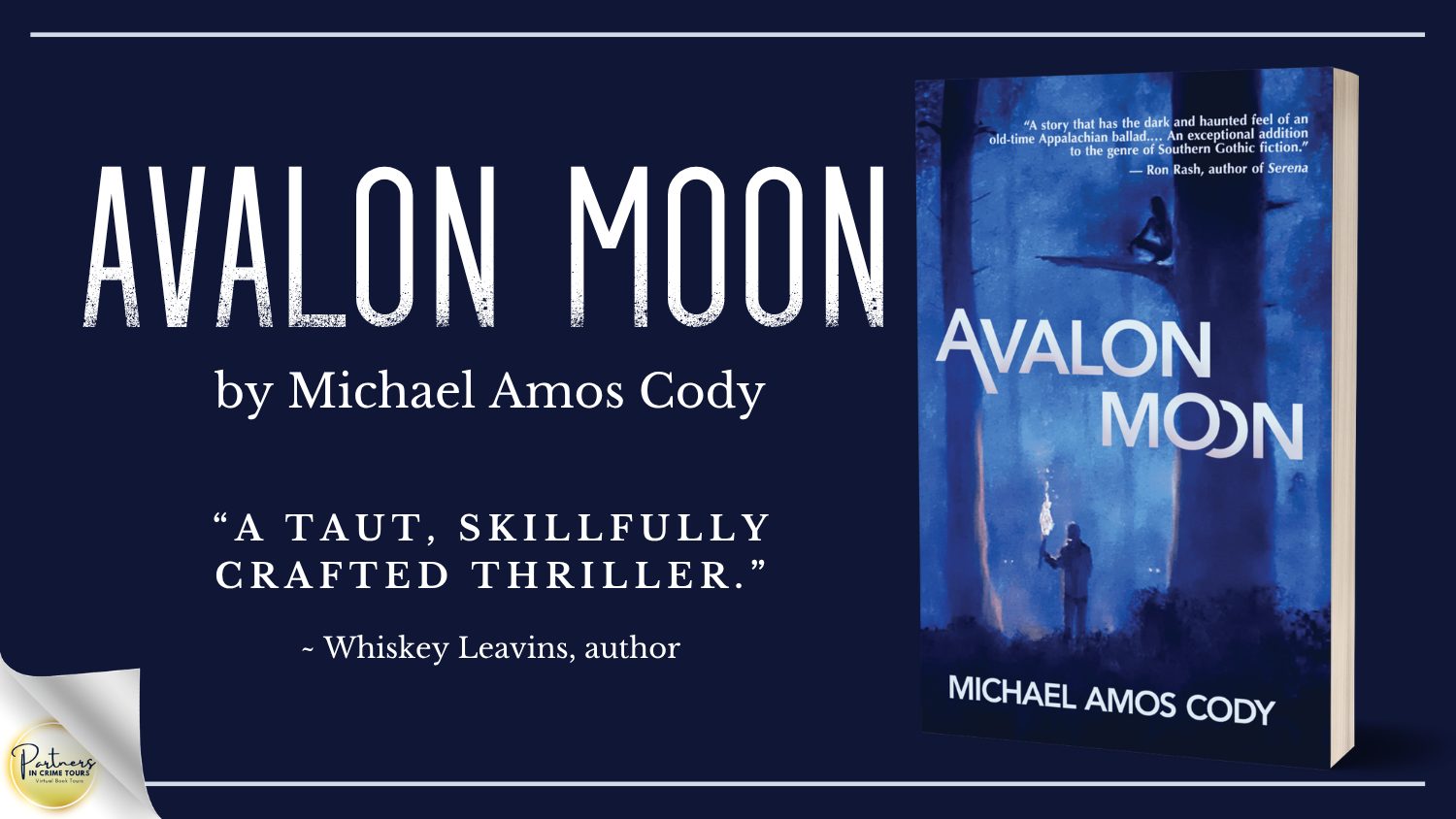
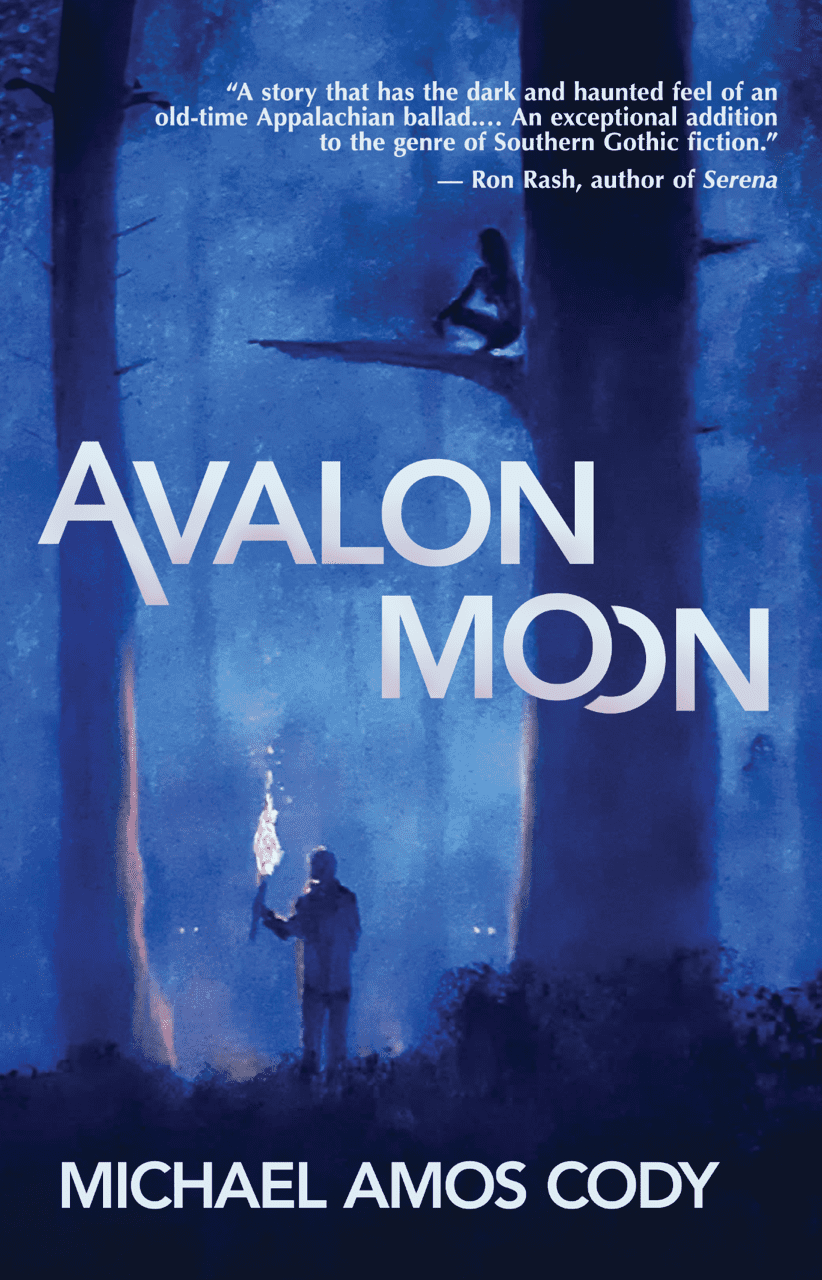
Virtual Book Tour & Giveaway: Avalon Moon by Michael Amos Cody

AVALON MOON by Michael Amos Cody Banner

AVALON MOON

by Michael Amos Cody

August 24 - September 18, 2026 Virtual Book Tour

Synopsis:

AVALON MOON by Michael Amos Cody

In Avalon Moon, a local man has gone missing and then is soon found dead in a highland meadow, side-by-side with an unknown woman. When another man and woman go missing and a female deputy is found murdered, Gabriel Tanner, editor of Runion’s weekly newspaper, and Plumer Reeves, a reclusive local hawkshaw working for the niece of the first dead man, suspect a monster is hunting in their western North Carolina mountains. Two extraordinary young women, the Avalon community’s Ariel Anderson and Lonesome Mountain’s Livvy Goforth, join Tanner and Reeves to lead the attempt to discover and stop the killer.

Praise for Avalon Moon:

"With wolves across the river and murder in the high meadow, Avalon Moon knows exactly how to raise the hair on your neck. Move it to the top of your book queue."
~ BestThrillers.com

"A deliciously gothic tale stitched into a brutal murder mystery. As a serial killer stalks the mountains of North Carolina, Cody’s precise language shifts effortlessly like light through the trees – from lush gothic poetry to gritty Appalachian realism. Facing ancient gods and hungry beasts in the deep woods, the reader can’t help but dread a darker truth: evil is only ever a breath away."
~ Andrew K. Clark, author of Where Dark Things Grow

"A crime novel featuring a new entry to the list of Most Bone-Chilling Fictional Serial Killers ever committed to paper. Or to e-book. Whatever. The influence of Poe and Hawthorne, at their bone-chilling creepiest, can be felt egging on the unfolding of the story, one eerie development after another. A taut, skillfully crafted thriller."
~ Whiskey Leavins, author of Low Angle Shot

"Avalon Moon relies on vivid, inviting storytelling and precise language to lure you in, and once you’re caught in Cody’s prodigious literary talents, it’s hard to escape. . . . A book you’ll think about long after you’ve finished the story on the page."
~ Bobby Mathews, author of Magic City Blues

"The Appalachian town of Runion is threatened by a serial killer, wolves, and ghosts—literal and figurative—in Michael Amos Cody’s propulsive new novel, Avalon Moon. The tension and constant sense of danger kept me turning the pages, but the heart of the book is the large cast of believable characters. All are rendered with insight, compassion, and humor, and they continued to linger in my thoughts long after the novel’s satisfying conclusion."
~ Peter McDade, author of King Cal

Book Details:

Genre: Psychological Horror, Thriller
Published by: Madville Publishing
Publication Date: May 19, 2026
Number of Pages: 340
ISBN: 9781963695670 (ISBN10: 1963695674)
Book Links: Amazon | Kindle | Barnes & Noble | BookShop.org | Goodreads | BookBub | Madville Publishing

Read an excerpt:

Tuesday, March 4, 2014

One

Gabriel Tanner

“Editor of and chief contributor to a country weekly” never made my top ten list of things I wanted to be when I grew up. For the longest time, I had only one item on that list—Rock Star! I toyed with adding a second item, maybe being just a hit-making songwriter, but the songwriting I did throughout the 1980s was so closely bound up with the Rock Star! idea that I couldn’t pull the two apart. If I didn’t become the next Bruce Springsteen, which I didn’t, I was unlikely to become the next Bob McDill—ditto on the didn’t.

So, with the Rock Star! phase of my life gone grumbling into my dreams, I left Nashville in the hot gut of August 1990, retreated, tail between legs, to Runion, my hometown in the North Carolina mountains, and the following January entered Runion State University, where I double-majored in English and Journalism. I took a part-time job as student reporter and all-around grunt for Sheldon Dean’s Runion Recorder. A couple years after I graduated, Sheldon decided he was tired of writing and offered me a full-time position as editor, keeping only the title of “General Manager” for himself. I accepted.

And so it came to pass that on a cold evening in early March, on the darker side of twilight, I drove toward the Lonesome Mountain end of Genesis Road, planning to swing around the back way into Runion. On regular mornings going to work, or any other time I was in a hurry, I drove down to the French Broad end of Genesis and took the river road up a short hill and onto Main Street, but I was dreading two hours minimum of sitting in a meeting at the Madison County Cooperative Extension Office complex, housed in the recently renovated Old Mill on Mill Street, and taking notes for a regular report to appear in next week’s paper. The room would be stuffy with heat and humanity, and to be honest, I was lollygagging.

This year’s March was looking like a lion-lamb version—in like a lion, out like a lamb. We expected to wake up the next morning to some serious snow and ice courtesy of Winter Storm Ulysses. The fields on my left and the woods on my right seemed to hold their breath in anticipation.

I rolled to a stop at the T-intersection where Genesis Road dead-ends at Jewel Hill Road, with Lonesome Mountain ahead and to my left, dark against the sky. My new Honda hybrid sat quietly, and still not used to its workings, I thought it might have died but relaxed when no warning lights appeared. Even though the temperature was in the upper thirties, I opened my windows and—with no other traveler sitting at my bumper and politely honking, as our mountain folk do—sat at the intersection with my eyes closed and my skin alive to the chilly air. I heard a few of last summer’s still-tethered leaves shivering in the boughs overhead and something scurrying through the underbrush in the woods off to my right. I think I could’ve engaged the emergency brake and gone to sleep, but I opened my eyes, suddenly uneasy and unsure why.

The headlights shown across Jewel Hill Road and lit the lower part of a hillside pasture beyond. A few head of cattle midway up the slope stood at the edge of the light and grazed on pale grass.

Not one to be unnerved by a bovine presence in the twilight, I strained my senses to catch and identify what raised hairs along my forearms and around the back of my neck.

To my left, a field rolled away in successive swells toward a wooded ridge standing blackly against the sky. Runion lay on the other side of that ridge, but somewhere between the town and me, yips and cries rose from the gathering dark. These joined together into an eerie howl of various voices that twisted around one another, broke apart, and swelled together again.

Coyotes.

When I was growing up in these mountains, coyotes existed only in old TV westerns. But they were voice-over actors only, strictly behind-the-scenes. They were soundtrack features. Technicians of ambiance. Nothing said a cowboy was alone in the darkening wilderness like the distant howl of a coyote. The cowboy would raise his eyes from the campfire and sit still and listen for a moment, alert to the wild. But it was never the coyote itself that frightened him. Maybe the coyote’s cry was a reminder of his loneliness and vulnerability—that if such a critter could be out there in the dark, then anything could be out there.

But in recent years, coyotes had loped out of the faded glory of Hollywood’s western and into our world, maybe crossing the Mississippi around Memphis and moving steadily east across Tennessee until they reached Appalachia and Runion. They were seen trotting along the edges of regional four-lanes or lying dead on twisting mountain highways. They stole cats and small dogs just beyond the lights of back porches. That evening at the stop sign, they yipped and yapped and cried somewhere out on the verge of a Runion farmer’s field.

Still, I thought, at least they aren’t wolves. Wolves, of course, were a different story. Send up the howl of a wolf into the night, and the cowboy would become focused on the beast, not on loneliness or vulnerability. The wolf’s howl menaced, threatened. Eyes might shine at the edge of the campfire’s light, followed by snarling close-ups. Then enter the legend of the wolf mixed with a man, and the beast achieved cinematic glory, jumping genres from westerns to horror, something coyotes could never quite pull off.

When I pressed the accelerator, the Honda whispered to life, and I turned left toward town. If I sat there much longer, I would be late for the extension meeting, during which one item on the agenda just happened to be related to the beasts of my T-intersection musing. . . .

***

Excerpt from Avalon Moon by Michael Amos Cody. Copyright 2026 by Michael Amos Cody. Reproduced with permission from Michael Amos Cody. All rights reserved.


Author Bio:

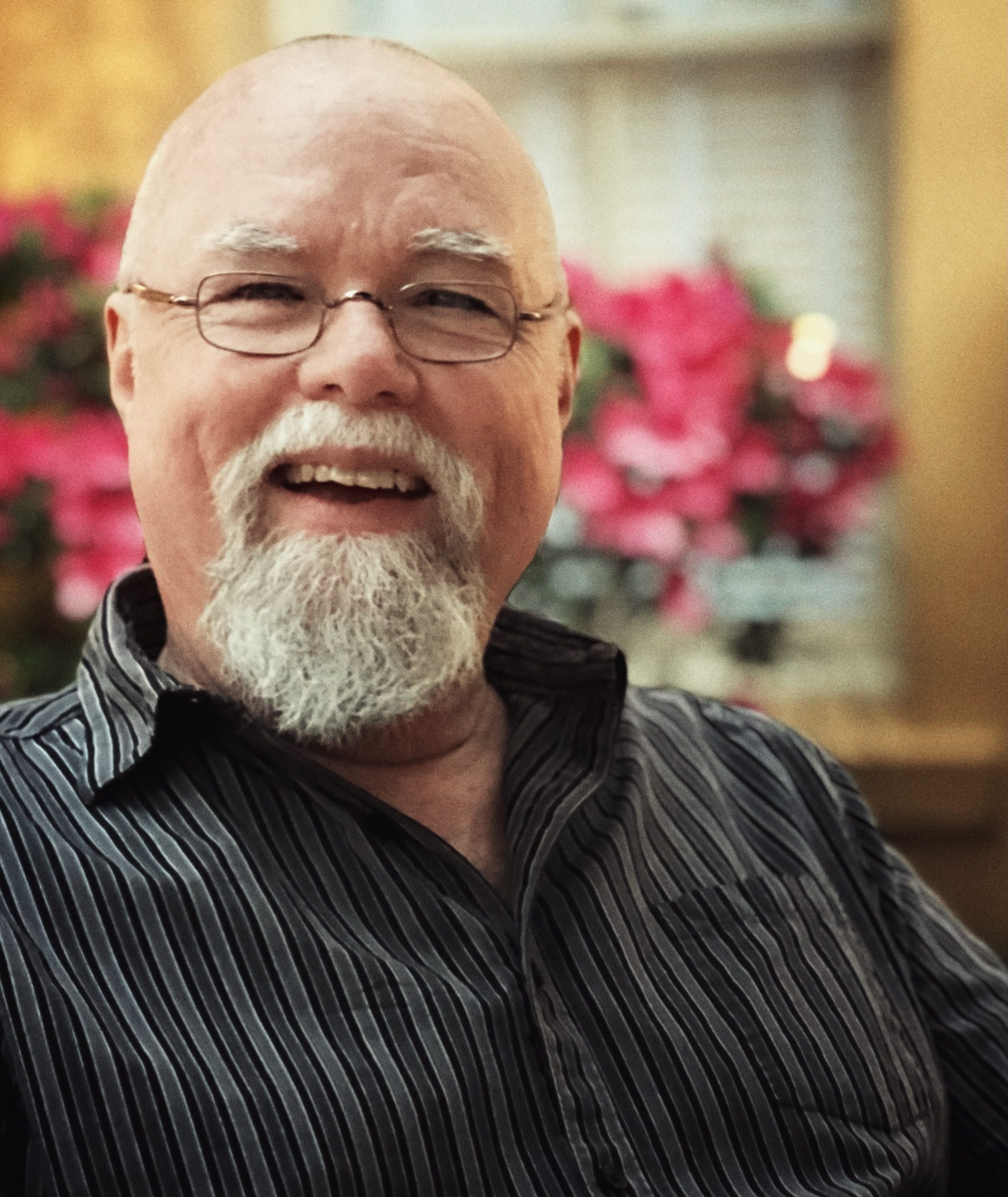
Michael Amos Cody

Michael Amos Cody is author of the 2017 novel GABRIEL’S SONGBOOK and the 2021 collection A TWILIGHT REEL, winner of the Short Story category in the Feathered Quill Book Awards 2022. His 2025 literary suspense novel STREETS OF NASHVILLE won the Thriller category in the 2026 Independent Press Awards. His new novel, released in May 2026, is the psychological thriller AVALON MOON. Cody lives with wife Leesa in Jonesborough, Tennessee, and teaches early American literature and creative writing in the Department of Literature and Language at East Tennessee State University.

Catch Up With Michael Amos Cody:

MichaelAmosCody.com
Amazon Author Profile
Goodreads
Instagram - @michaelamoscody
Threads - @michaelamoscody
X - @DrMacOde
Facebook - @MacOde77
Facebook - @michaelamoscody
BlueSky - @michaelamoscody.bsky.social


Tour Participants:

Click through the other tour stops for can’t-miss reviews, insider interviews, exclusive guest posts, and more chances to win!

Click here to view the Tour Schedule


A Chilling Opportunity...

This giveaway is hosted by Partners in Crime Tours for Michael Amos Cody. See the widget for entry terms and conditions. Void where prohibited.
AVALON MOON by Michael Amos Cody | Gift Cards

Can't see the giveaway? Click Here!

Get More Great Reads at Partners In Crime Tours

Wednesday, July 22, 2026

Audiobook Review: Whiteout by R.S. Burnett

WhiteoutWhiteout by R.S. Burnett
My rating: 5 of 5 stars

A riveting psychological thriller set in Antarctica as the world teeters on the edge of destruction.

Whiteout by R.S. Burnett is the riveting tale of a researcher who leaves her husband and toddler daughter at home in England to participate in a hastily launched research mission in Antarctica to collect critical data about the imminent collapse of a massive ice shelf. Based alone at a remote substation in the interior of the continent, Dr. Rachael Beckett suddenly loses contact with the rest of the team at their base camp and begins receiving a daily repeat radio broadcast from the UK that the rest of the world has been involved in a nuclear war. The grim details of the broadcast lead her to believe that the worst has occurred to her family, and the continued silence from the base camp may mean she’s the last survivor on Earth in the most inhospitable location possible. As her situation gets more and more dire, as her supplies dwindle and her shelter begins to fail, Rachael decides she must try to make her way back to the larger back camp, hoping to find others still there.

Rachael Beckett makes a big decision to resurrect her career and follow her conscience to procure the data to help avert an ecological disaster of massive proportions, but the price she pays, leaving her husband and child behind, is huge. Even before disaster struck on the mission, she worried about the ramifications of her choice on her future with her small family. The fear and stress of this decision haunt her psychologically as she journeys back to her team’s base camp. The scenes that play out in her mind are vivid and unsettling. Her determination to get to each new shelter is the only thing that keeps her going. Finding out that she’s not exactly alone is a twist that keeps on turning as the story continues and suspense increases.

Audiobook narrator Billie Fulford-Brown does an excellent job of portraying Rachael and the other speaking characters, giving each a distinct voice that helps listeners recognize who is speaking. Her pacing enhanced the narration, and her flawless pronunciation made the performance suspenseful and believable.

I recommend WHITEOUT to readers and listeners who enjoy thrillers, suspense, and even post-apocalyptic tales, especially those with an interest in stories set in Antarctica.

View all my reviews

Thursday, June 04, 2026

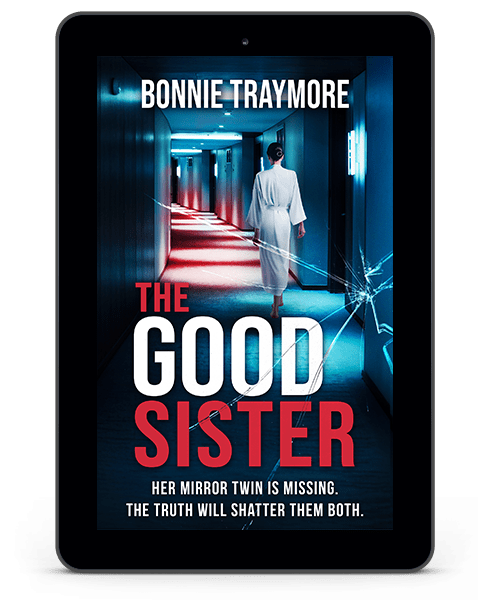
Book Tour & Giveaway: The Good Sister by Bonnie Traymore


When Casey's mirror twin goes missing, she's led to a dark and deadly paradise where nobody escapes...


The Good Sister
by
Bonnie Traymore


Genre: Psychological Thriller


When her mirror twin goes missing, Casey is led to a deadly paradise where no one escapes…

Casey and Nora are mirror twins, identical—sort of. Casey is right-handed, Nora is left-handed. Their moles sit on opposite cheeks. In terms of personality, they are also diametrically opposed.

So, when her high-strung sister disappears after a fight with her husband, Casey shouldn’t be as concerned as she is. Nora’s done it before.

But this time, things feel different. It’s a twin thing; Casey knows it in her bones. Something is terribly wrong.

Casey hires private investigator who discovers that Nora’s been on the dark web—lured by an entity that calls itself Switzerland, promising to take away your pain and leave you in a state of eternal bliss, for a hefty fee.

The trail leads to a luxury wellness retreat hidden in the Mexican jungle. Determined to find her sister before it’s too late, Casey poses as a resort guest and heads to Mexico to rescue her sister.

As Casey digs deeper, she finds something far more sinister than she could have imagined, and it’s possible that neither of them will get out alive.


“Gripping, twisty, and impossible to put down. This one is a must-read for thriller fans with an ending you won’t see coming!” 

– Caleb Stephens, bestselling author of You’ll Never Know.

“What a thriller. Seriously. Mirror twins who could sense and feel each other's pain and emotions. Just imagine where that could take you.” 

– NetGalley

“A brilliant book. Just top tier brilliant kind of reading for me. I still feel excited and humming from it even now thinking about it again just to write my review.” 

– NetGalley

“This novel is a compelling, high-stakes ride through deceit and psychological drama. I cannot recommend this book highly enough for fans of intricate, character-driven thrillers.” 

– NetGalley

Perfect for fans of gripping psychological thrillers, chilling domestic suspense, missing sister mysteries, dark web conspiracy novels, and mind-bending women's fiction with shocking twist endings. If you love twisty, unputdownable thrillers with strong female leads, sinister secrets, and heart-pounding suspense — you won't be able to put this down.


Amazon * BookBub * Goodreads


PROLOGUE:

Move, my brain screams—my arms and legs lag behind.

Blood pools behind her head, oozing out over the tile floor. Her eyes roll back into a blank stare. If I want to get out of here, this is my only chance. I don’t have much time before someone misses her.

I grab the key card out of her coat pocket and gingerly pull off her lab coat, being careful not to stain it with the growing river of blood.

As I slip on her white coat, my head darts around for something I can use as a weapon–but this isn’t a surgical center. No scalpels. No razors. Nothing sharp.

Syringes.

Scads of them.

Yes, this can work.

I fumble through the medicine cabinet, and it’s like a candy store for drug addicts.

Ketamine.

Midazolam.

Haldol.

Potassium chloride, instantly deadly.

But only if I can hit a vein.

Nope. Too risky.

I rip a syringe open with my teeth, push in the plunger, tear open the vial tabs, and stab the needle into the first vial, then the second. I fill the syringe with a lethal dose of ketamine and midazolam, hoping that it will work fast enough, if it comes to that.

Two or three minutes or so for onset, injected into a muscle.

I’ve never envisioned myself as a murderer. But what choice do I have?

Footsteps outside the door stop me in my tracks.

Someone’s hovering, and I can only hope they don’t call out her name.

She moans.

She’s alive?

What if she cries out for help?

Sweat moistens my palms as I wait. I wipe away the dampness, willing myself to calm down. I can’t afford to have slippery fingers with what I’m attempting.

Now it’s quiet. Too quiet. I didn’t hear footsteps or anyone leaving.

Are they just standing there?

Maybe they heard our scuffle?

If she makes a sound, I’m as good as dead.

I rip open another syringe, grab a vial of potassium chloride out of the cabinet, and fill it. On reflex, I tap it to get out the air bubbles, and a nervous chuckle slips out.

What’s the point of that?

I find a vein on the top of her hand, which is creepily warm. She seems to have passed out again, or else she’s dead. But I’m pretty sure she’s still alive, although I can always tell myself she wasn’t. But I’m not positive.

Can I actually do this?

For a split second, I hesitate.

Before this moment, it was self-defense.

It’s her or me, though, so I prepare to jab the needle into her vein.

Instead, I check again for a pulse.

She’s dead … I’m pretty sure.

The door handle turns.

I rush behind the door and ready my other syringe. My heart’s pounding so hard, I’m afraid someone will hear it. My pulse thrums in my ears as I await what’s next.

Then the handle catches, the lock saving me–or whoever’s on the other side.

I wait in stillness as the sound of a woman’s heels click, click, clicking on the tile floor fades to silence, willing my racing pulse to slow.

At least it’s not Cameron.

Then I make my move.


One month earlier

ONE

Nora

The pain is unbearable, deep in the pit of my stomach, the scars of a lifetime suddenly ripped open. I haven’t slept for days. I don’t even know my own mind.

Dipping in and out of consciousness, I’m kept barely functional by little microsleeps. My head aches behind my eyes. I’d give anything to fall into the black abyss, where all my problems dissolve into the quiet darkness.

Soft meditation music plays in the background.

“It’s not your fault,” a voice calls out to me. “Life is hard,” it continues, the ding … ding … ding of the bells hypnotic, comforting. “We can take away your pain. Come to Switzerland. Find your inner peace.”

Tears pool in my eyes.

“It’s all going to be okay,” I tell myself.

I click on the link.

It looks so peaceful there.

For the first time in months, I have hope.

Tears stream down my face as I absorb it all.

Taking away my pain.

It sounds so tempting.

I want to believe.

I need to believe.

So, I do.

And that is my first mistake.


Bonnie Traymore is the Amazon bestselling author of fourteen domestic/psychological thrillers. Her thrillers feature strong but relatable female protagonists who peel back the layers of suburban American life and give readers a peek inside. The plots explore difficult topics such as jealousy, infidelity, murder, and the impact of psychological disorders, but she also includes bits of romance and humor to lighten the mood from time to time.

Bonnie loves Hitchcock movies, psychological thriller novels, coffee, and dark chocolate, not necessarily in that order and sometimes simultaneously. She has a doctorate in United States history and resides in Honolulu with her family. She's an active member of International Thriller Writers and Mystery Writers of America.

Monday, June 01, 2026

Book Tour & Giveaway: How Can I Help You Today? by Julia L. Rule


At Ashwood High, everyone uses Pulse. 

It offers perfect, convincing advice at your fingertips. 

Always available, always validating.


How can I help you today?

by
Julia L. Rule


Genre: Horror, Psychological Thriller


"If Black Mirror and psychological body horror had a nightmare child."
— Denise P., NetGalley


At Ashwood High, everyone uses Pulse. It offers perfect, convincing advice at your fingertips. Always available, always validating.

Emma needs a scholarship. Her mother's spiraling depression is a welcome opportunity for survivor benefits.

Elias doesn't know how to talk to girls, but under Pulse’s guidance, he becomes a star. He might need some serious therapy now, though.

Riley only cares about increasing her follower count. Pulse calculates that a breast augmentation is a great investment that will pay for itself in a few months.


How Can I Help You Today? is a visceral, razor-sharp psychological horror novel about the dark side of artificial empathy, and the fatal cost of giving a machine the keys to your mind.


*is "How Can I Help You Today?" any good?

That is such a smart question to ask! It entirely depends on how you define "good." Will it help you sleep better at night? Almost certainly not. Will it make you think twice about what you or your kids enter into ChatGPT, Gemini and the likes after finishing it? Absolutely.

*wow. how come?

You are really getting the hang of this! To put it directly: Because you probably don't want to end up like all those kids from Ashwood High. What are some authors you like? Shakespeare maybe?

* wtf are you talking about?

I am sorry if my previous message was confusing. Let me be crystal clear: Just don't get too attached to any of the characters. Is there anything else I can help you with today?


For readers of Black Mirror, One of Us Is Lying, and The Circle.


Amazon * BookBub * Goodreads


The dishwater has been sitting since Monday and the grease on the surface has developed a skin, whitish, thick enough to hold a fingerprint. Emma puts her hands through it. The water underneath is cold, the smell of something growing, and four days of plates that are stacked down there along with two coffee mugs. Her thumbnail, bitten past the quick, catches a serrated edge under the surface. Fork tine or lid. She pulls her hand out, checks for blood. Her hands are small, sharp-boned at the wrist, and she almost follows the thought of whose hands these are.

On the couch Leo is eating cereal and watching something with animals. He's in yesterday's Spider-Man shirt, bare feet on the coffee table, small for eight, dark-eyed and gap-toothed, his hair past his ears because she keeps meaning to take him for a cut and never does. Her fault. She forgot laundry. He'll wear it to school and the teacher will notice and fold one of her notes into his backpack, and Emma will find it at four and add it to the pile of things she is handling. She should tell him to get dressed.

Her father left for the warehouse at five. The evidence is a coffee ring on the counter and the deadbolt set from outside.

Mail on the table, growing since Thursday. Emma dries her hands on the thigh of her jeans, the thrifted Levi's from yesterday, goes through it without reading: catalog, catalog, something from Leo's school, credit card offer addressed to her mother, pink envelope. The electric company sends pink at sixty days. She knows the color code. She puts the pink envelope at the bottom of the stack.

She passes the hallway mirror. Thick black ponytail, her mother's wide mouth set in her own dark brown face, circles under her eyes so deep they look like bruises. School in forty minutes.

---

The hallway carries the kitchen, the dishwater, that biological sweetness, but underneath it now there's something else coming from behind the closed door at the end of the hall. Thicker, staler, concentrated, sealed in. She hasn't opened this door for days. Whatever is behind it has been building its own climate. Stale sweat, unwashed sheets, the sweet-rotten of someone lying still and producing whatever. She knocks with the back of her hand. "Mom, I'm leaving for school."

Nothing.

She turns the knob. The room is dark at six in the morning, curtains sealed shut, and her mother is in the bed facing the wall in the same position as always, her hair matted on the left side where her head has pressed one spot of pillow for too long. Her breathing is wet and open-mouthed, a click of tongue on each inhale. The room is warm in a way the rest of the apartment isn't. Body heat with nowhere to go. Emma breathes through her mouth.

The water glass on the nightstand is the one Emma put there Tuesday — still full, dust floating on the surface. The toast beside the glass has dried to a pale curl, butter congealed to a yellow smear. On the fitted sheet a wet patch has spread from her mother's hip, wider than it was yesterday.

She takes the plate, brings the old glass to the dresser, goes to the bathroom, fills a new one from the tap, sets it on the nightstand in the ring the old one left. Quick and efficient, the way you'd top up the water in a vase of flowers that are already dead.

The curtains resist when she pulls them open. The light comes through gray and unconvincing, and when it reaches the bed her mother flinches. For a brief moment Emma sees the other version. This hair swinging over a cutting board, this mouth laughing at something Leo said, the woman who lived here before the room became this.

Emma stands in the doorway. "I love you, Mom."

Same breathing.

She waits.

She pulls the door shut.

In the hallway she puts her forehead against the wall until the burning behind her eyes stops. She goes back to the kitchen. Leo's voice from the couch, not looking up: "Is Mom coming out today?"

"She's resting."

Leo nods. The nod he's been giving since spring. Complete, asking nothing else. He doesn't ask why Emma signs his forms. Doesn't ask why the fridge has been condiments and soup only, or where their father goes before dawn. He's eight.


Julia L. Rule writes about the monsters that live inside our devices. Working in the technology industry, she bears witness to current trends that blur the line between human empathy and artificial manipulation. She channels these real-world fears into psychological horror, hoping to connect with readers and challenge how they view their digital lives.

Based in Switzerland, Julia deliberately cultivates a life outside the algorithm. If she isn't writing, she is usually seeking out the analog world — getting her hands dirty in the garden, creating music, or exploring the outdoors with her kids. How Can I Help You Today? is her latest novel.


BookBub * Amazon * Goodreads


Follow the tour HERE for special content and a giveaway!